
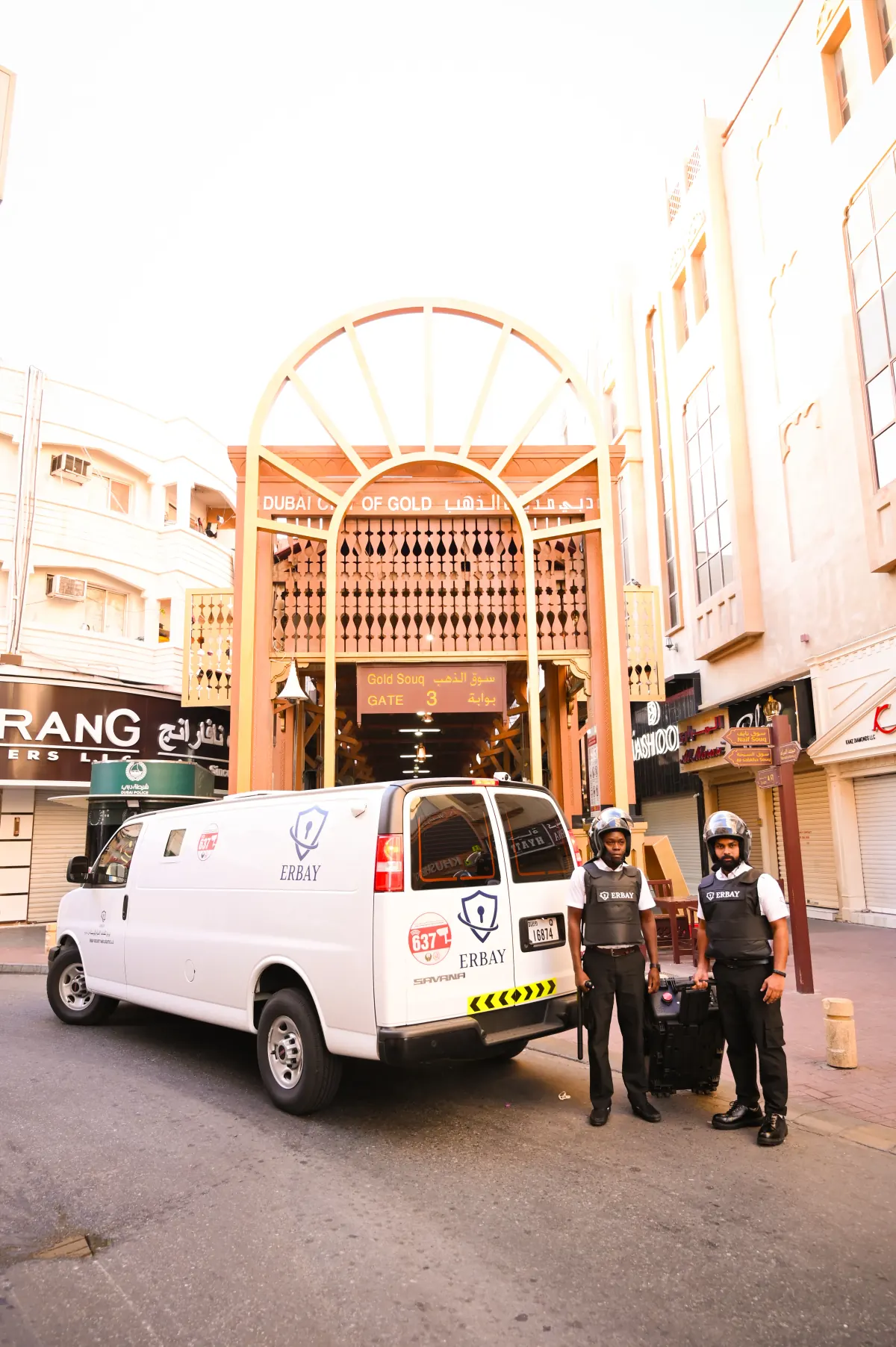
The United Arab Emirates processes billions of dirhams in cash transactions every year. From retail banking operations and currency exchanges to luxury retail and gold souks, the demand for reliable, professional cash-in-transit services has never been higher. Yet the standards applied to these operations vary enormously — and the gap between best-in-class and merely adequate can mean the difference between a seamless delivery and a catastrophic loss.
Why CVIT Standards Matter in the UAE
The UAE's financial infrastructure is one of the most sophisticated in the Middle East. The Central Bank of the UAE mandates stringent standards for currency handling, and the country's position as a global trade and tourism hub generates continuous high-value asset flows that require professional management. Yet unlike some markets, the UAE does not yet have a single comprehensive regulatory framework specifically governing private CVIT operations — which means the responsibility for setting and maintaining standards falls largely on the operators themselves.
The Core Pillars of Professional CVIT
- Vehicle Integrity: B6/B7-rated armored vehicles are the standard for commercial CVIT in the UAE. Anything below B4 represents an unacceptable risk profile for high-value cash movements.
- Personnel Vetting: All operatives must undergo multi-stage background verification including criminal records, financial history, and reference checks. A security guard is only as reliable as the vetting process that placed them.
- Route Intelligence: Static routes are a security vulnerability. Professional operations use dynamic route planning based on real-time threat assessments and historical incident mapping.
- Chain of Custody: Every handover must be documented with biometric or photographic verification. Digital chain-of-custody records provide the audit trail needed for insurance claims and loss investigations.
- Insurance Coverage: Lloyd's of London and equivalent specialist insurers provide the global standard for CVIT coverage. Clients should verify the coverage terms — particularly for cash and precious metals — before engaging any provider.
Technology's Role in Modern CVIT
The most significant shift in CVIT operations over the past decade has been the integration of real-time tracking and communication technology. GPS monitoring alone is insufficient — the standard today is continuous communication with a manned operations center capable of dispatching emergency response within minutes of any anomaly.
Biometric access controls for vehicle compartments, panic systems with direct lines to local law enforcement, and tamper-evident sealing technologies have all become baseline expectations for professional CVIT providers operating in the UAE market.
The measure of a CVIT provider is not how they perform when everything goes smoothly — it's the protocols they have in place for the moments when it doesn't.
Selecting a CVIT Partner in Dubai
When evaluating CVIT providers in the UAE, we recommend clients request documentation on four key areas: vehicle certification levels, personnel vetting procedures, insurance coverage terms, and incident response protocols. Any provider unwilling or unable to provide transparent answers to these questions should not be considered for sensitive cash operations.
Erbay Security and Logistics LLC was established to bring the exacting standards of Erbay Güvenlik's Turkish operations to the UAE market — a market that demands nothing less than international best practice.